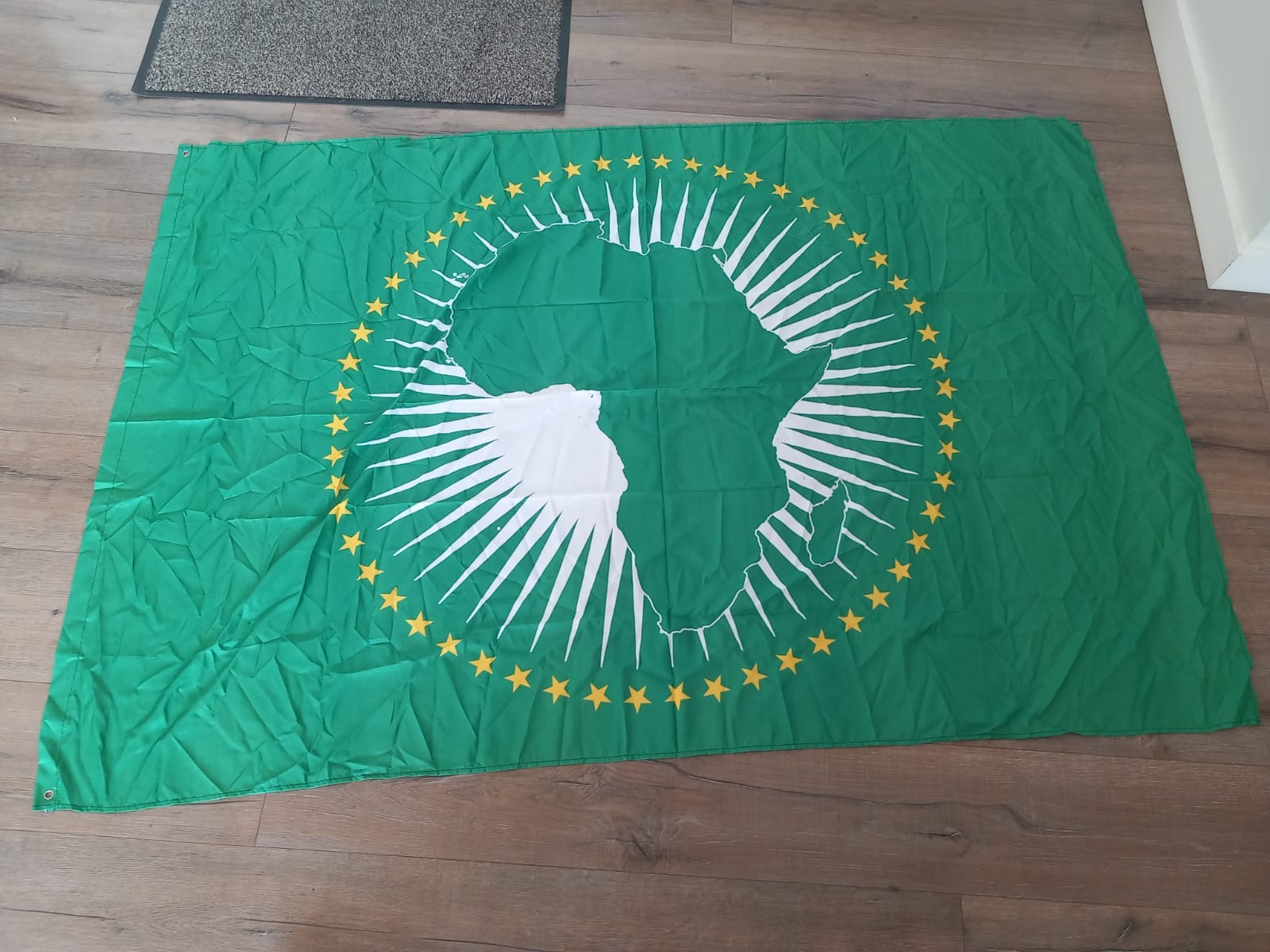
An African Union high-level committee has renewed attention on the implementation of South Sudan’s peace agreement as the country approaches elections scheduled for 22 December 2026.
The declaration from the C5 Plus virtual summit, held on 29 September and made available in October, places the political transition at the centre of regional diplomatic efforts. South African President Cyril Ramaphosa chaired the gathering.
The discussion concerned the Revitalised Agreement on the Resolution of the Conflict in South Sudan, commonly known as R-ARCSS. The planned election date remains a schedule, rather than evidence that all the arrangements needed for voting have been completed.
Peace commitments and electoral delivery
The committee’s engagement highlights the connection between an election and the wider settlement intended to support it. A voting date can provide a common objective, but the credibility of the process depends on decisions taken before polling day and the willingness of political actors to accept agreed procedures.
Preparations for a national election involve several separate questions. These include who can register, how voters obtain reliable information, what arrangements apply to displaced people and how complaints are handled. Public announcements about one part of that process cannot establish readiness across all of them.
The same distinction applies to peace implementation. Diplomatic support can help maintain pressure for progress, but it does not replace the responsibilities of national institutions or the commitments made by signatories to an agreement.
What would demonstrate progress
For South Sudanese citizens, the practical value of another regional meeting will be measured through concrete actions. Clear rules, accessible information and predictable institutional decisions would give the public more useful evidence than a general declaration of political intent.
Any assessment of readiness also needs to distinguish national announcements from independent observation. An official timetable explains what authorities intend to do; an assessment of implementation examines what has actually happened and what remains outstanding.
The AU panel’s intervention should therefore be read as part of an ongoing diplomatic process. It does not establish that an election has taken place, that the peace agreement has been fully implemented or that unresolved political differences have disappeared.
As the scheduled December vote approaches, the central question is whether political commitments translate into arrangements that citizens can understand and use. The committee has returned that question to the regional agenda, while the work of delivering the transition remains with South Sudan’s institutions and political leaders. The timing and substance of further decisions will therefore remain central to judging progress.