

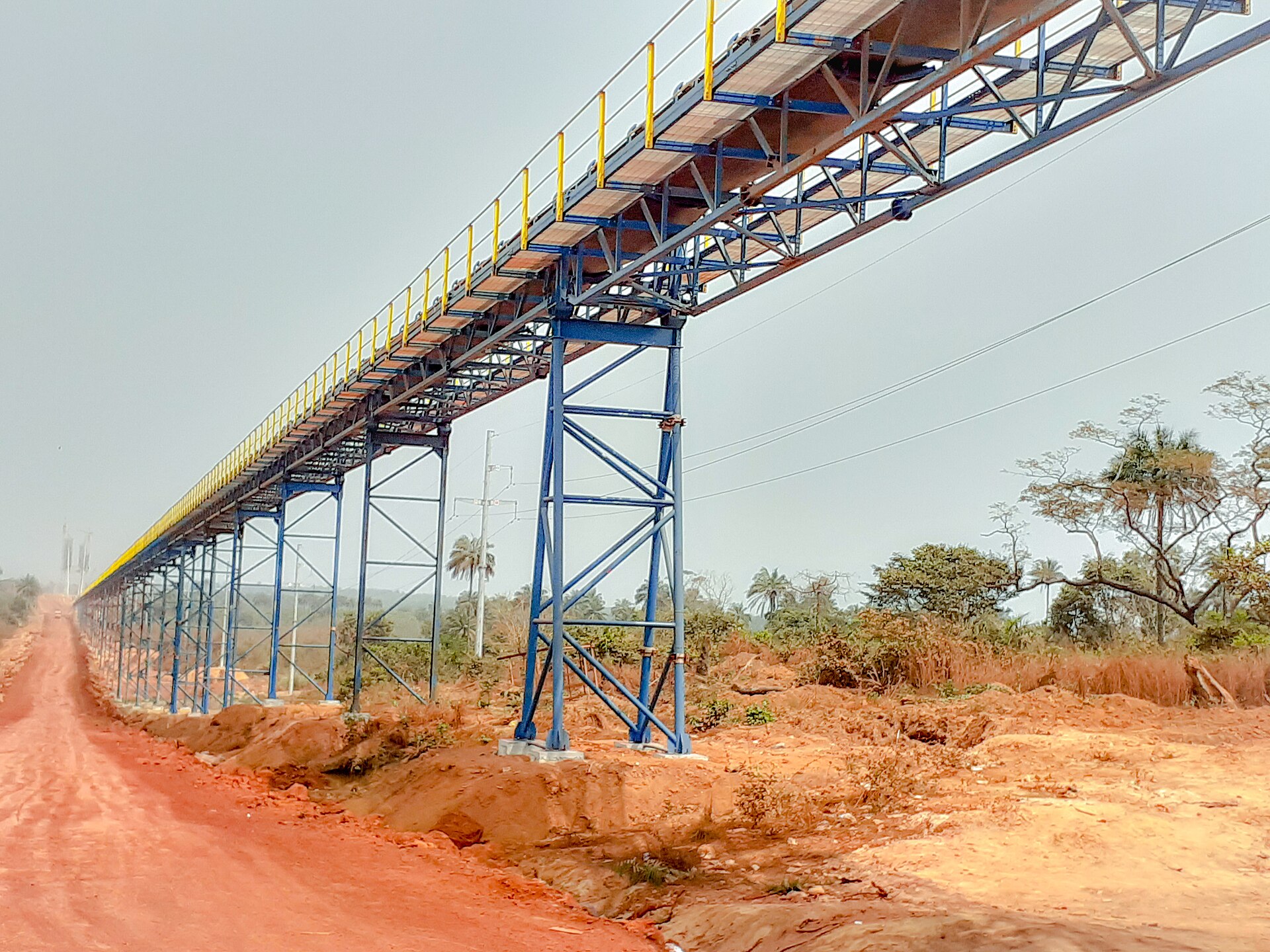
Guinea digs up more bauxite than any country in the world, having overtaken Australia, and ships most of it to China. Now it wants to keep more of the value at home. Three alumina refineries are under construction, and the government hopes to have five running by 2030, Reuters reported on 19 October.
Daouda Diakite, a senior adviser to the mines minister, told Reuters the goal is seven to eight million tonnes of annual alumina capacity by the end of the decade, with aluminium smelters to follow.
Not Indonesia’s playbook
Alumina is the step between raw bauxite and aluminium. Indonesia’s ban on unprocessed nickel exports helped attract investment in domestic processing. Guinea is taking a softer line: it wants to cap bauxite export volumes to avoid flooding the market and pushing prices down. Reuters reported that the restrictions had not yet been introduced.
The electricity problem
Guinea is part of a wider continental push, with governments using export curbs, tax breaks and access to deposits to lure refiners and smelters. Reuters reported that the US International Development Finance Corporation and Africa Finance Corporation were backing African processing projects.
But officials and executives kept coming back to the same obstacle: cheap, reliable power. Both need reliable energy supplies, while aluminium smelting is particularly electricity-intensive. South Africa’s shrinking ferrochrome and steel industries are a reminder of what happens when power becomes expensive or unreliable.
For now, Guinea’s ambitions are a pipeline of projects and a 2030 target. Turning that into working plants will depend as much on the grid as on the ore.
