

UNESCO’s 2026 Global Education Monitoring Report announcement put the worldwide number of children and young people out of school at 273 million, reporting a seventh consecutive annual increase.
A global figure with regional implications
The figure is global, not an Africa-only total. UNESCO said progress in keeping children in school had slowed across almost all regions since 2015, with a pronounced slowdown in sub-Saharan Africa largely linked to population growth.
Conflict and other crises complicate the picture further. The organisation noted that children in conflict-affected settings are not always fully captured in available statistics.

Photo: Artelnjeru / Wikimedia Commons / CC BY-SA 4.0. Original photo and licence record.
Why local evidence matters
For African education coverage, the findings point to the importance of comparing both percentages and absolute numbers. Expanding access can still leave a large number of children outside school when the school-age population is growing.
Local reporting can make these trends more understandable by examining attendance, completion, school capacity and the obstacles families describe. National data should be dated and clearly sourced. A global estimate provides context, but it should not be used as a substitute for evidence about a particular country, district or school.
Source: UNESCO, 26 March 2026: Global Education Monitoring Report announcement.
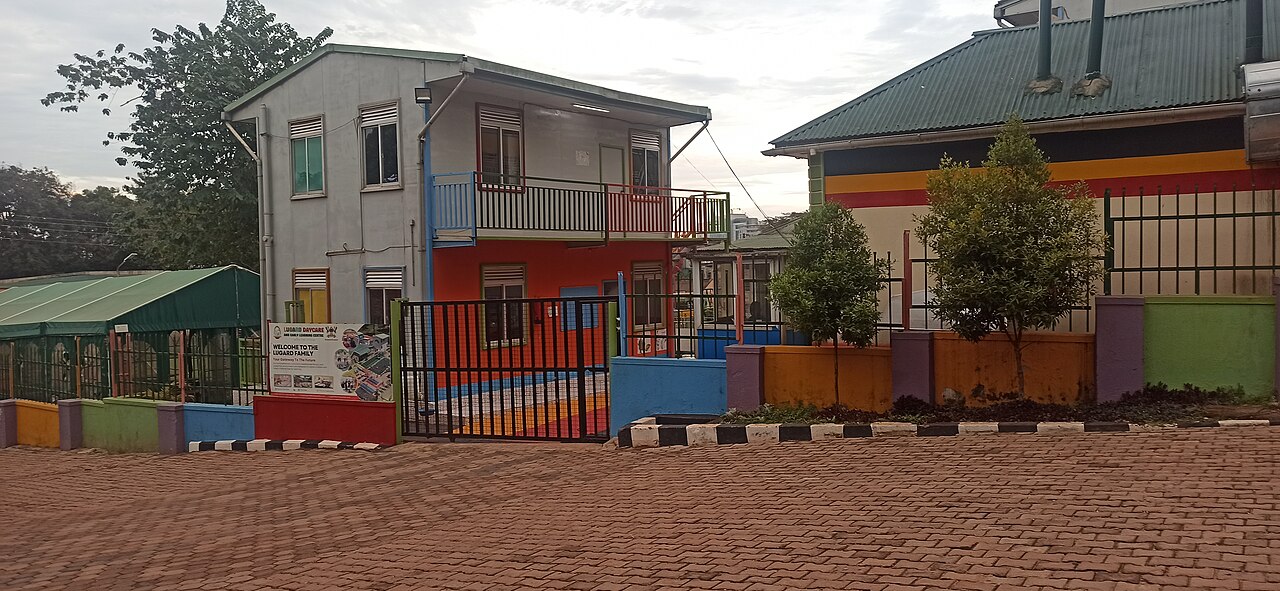
Featured photo credit: A daycare and early-learning school at Makerere University, photographed in August 2024. Context image, not a school identified in the UNESCO report.
Photo: Zahara5555 / Wikimedia Commons / CC BY-SA 4.0. Open original photo and licence record.

