

The World Meteorological Organization’s State of the Climate in Africa 2025 describes a continent facing damaging extremes, including floods, drought and tropical cyclones.
Understanding the reporting period
Released in June 2026, the report says floods represented more than half of reported extreme events. It also records drought affecting more than 8.5 million people in East Africa.
These findings describe impacts in the report’s period. They are not a weather forecast for the coming week or for a future sporting event.

Photo: NoahNairobi / Wikimedia Commons / CC BY-SA 4.0. Original photo and licence record.
Local impacts and practical information
That distinction matters for agriculture and public-safety reporting. A continental report can establish context, while decisions about planting, travel or immediate protection require current information from the relevant national weather and emergency services.
Local coverage should ask which communities were affected, what happened to water supplies and livelihoods, and what support reached them. It should also explain the period and geography behind every statistic.
Africa’s climate story cannot be reduced to a single condition. The evidence calls for reporting that recognises different hazards, different locations and the practical consequences for people living through them.
Source: WMO: State of the Climate in Africa 2025, released 18 June 2026.
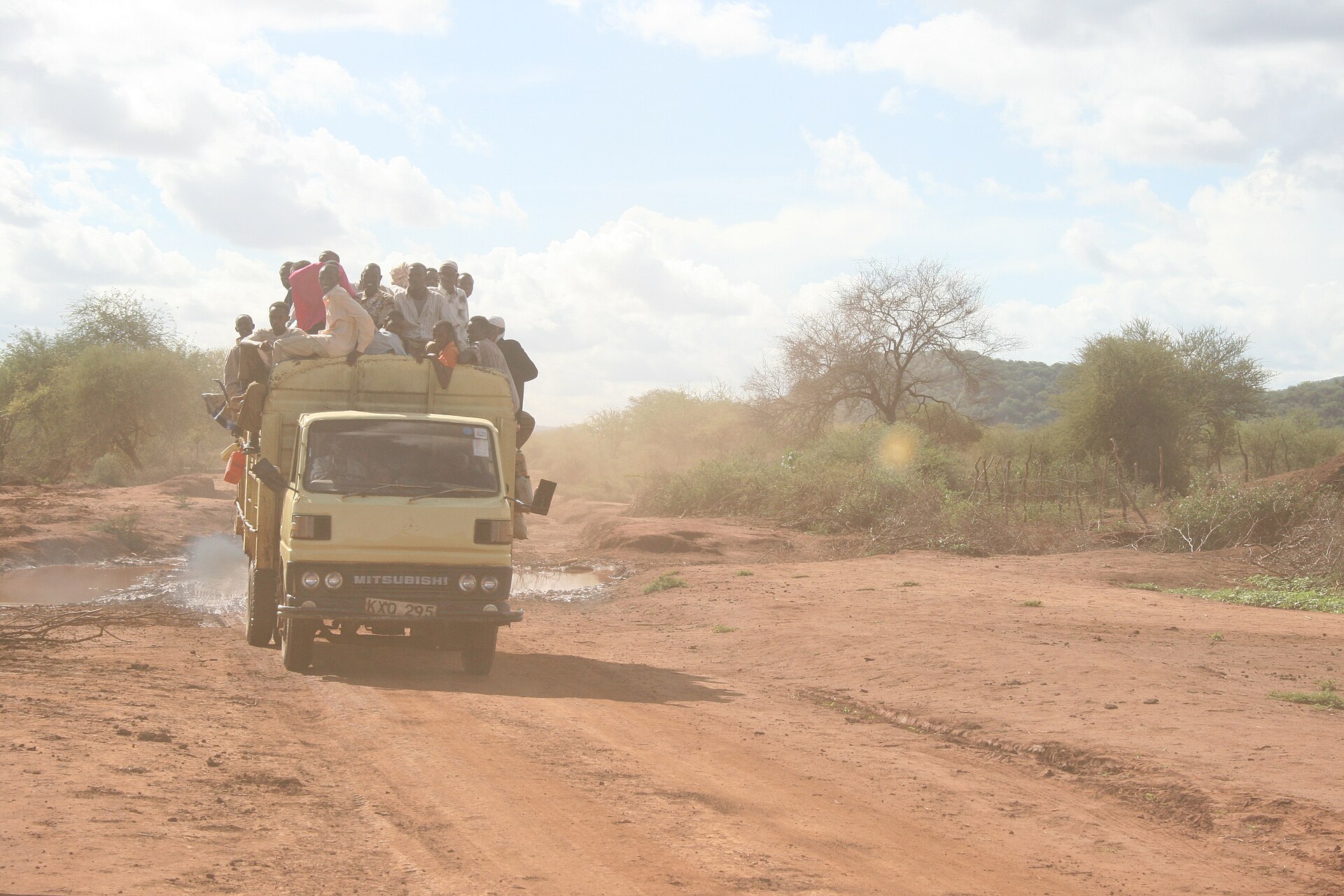
Featured photo credit: Drought in Kenya, March 2006. Historical context only; this does not depict the 2025 events in the WMO report.
Photo: Department of Foreign Affairs and Trade / AusAID / Wikimedia Commons / CC BY 2.0. Open original photo and licence record.

